Block Puzzle
New Game



Rating:
4.38
Played:
11,855
What Is Block Puzzle?
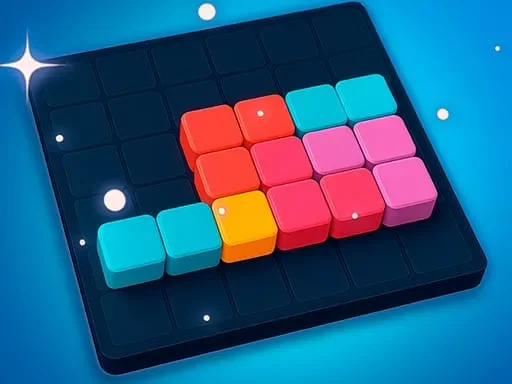
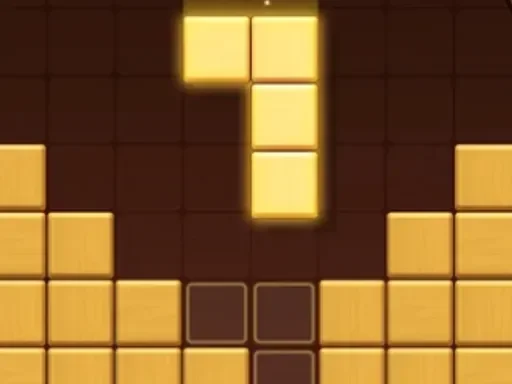
Block Puzzle is a grid based logic game where you drag shaped pieces onto a board and clear full rows or columns. Instead of reacting to falling blocks, you decide exactly where each piece should go. That changes the mood completely. The game feels calm on the surface, but every placement affects the next few turns, so careless moves can quietly ruin a strong run.
Most versions use a 10 by 10 board and show several pieces at once. Because there is usually no timer, the challenge comes from planning rather than speed. You want to protect open space, avoid awkward one cell holes, and leave room for large shapes that may appear next. A board can look safe and still be close to failure if its empty cells are broken into patterns that no useful piece can fill.
How to Play Block Puzzle in Your Browser on This Site
You can play Block Puzzle directly on this site without installing anything. Open the game page, wait for the board to load, and begin dragging shapes into place. Browser play suits the game because rounds start quickly and the rules are easy to read from the screen. It is a good fit for both short breaks and longer score chasing sessions.
If you have seen versions of Block Puzzle elsewhere, the core loop here should feel familiar: place pieces, complete lines, clear space, and survive for as long as possible.
Desktop players can use a mouse or trackpad for precise placement, while mobile players can drag pieces with touch controls. Since restarting is instant, the browser version also makes practice easy. You can test different habits, learn which shapes become dangerous on a crowded board, and jump back into a new run right away.
Controls and Core Rules
Basic controls
The controls are usually simple drag and drop. Pick up a piece from the tray and move it to any valid empty space on the board. If the piece does not fit, the game will not place it. That makes the game welcoming for beginners because the interface is easy to understand from the first move.
How clearing works
Whenever you fill a complete row or column, that line disappears and opens fresh space. Some versions reward larger combinations, but the basic strategy is always the same: create clean clears without damaging the overall shape of the board.
Why space management matters
Many Block Puzzle versions do not allow rotation. You must adapt to the shapes exactly as they appear. Long bars need clear lanes, big squares need wide rooms, and crooked pieces need flexible edges. That is why preserving useful space is more important than making the first move that happens to fit.
Tips for Higher Scores
Keep the center of the board as open as possible. The middle can accept many different shapes, so filling it too early often limits your future options. Corners and edges are usually safer places to build when the board is still open.
Try to avoid isolated holes. A single empty cell may seem harmless, but it can make a large area less useful because so few pieces can repair that pattern cleanly. Smooth, connected open space is much more valuable than scattered emptiness.
Think about the whole tray instead of just one piece. A smart small placement can prepare the board for a larger block that would otherwise have nowhere to go. Looking one or two moves ahead matters more than rushing toward the first easy clear.
Most important, use the game’s slow pace to your advantage. Since the action is usually untimed, there is no reward for moving too quickly. Pause, compare a few placements, and choose the one that keeps the board healthy.
Why Players Keep Coming Back
Block Puzzle stays popular because it offers clear rules, fast starts, and meaningful decisions. That feedback loop makes improvement satisfying without making the game feel stressful.
It also fits many moods. Some players chase a higher score and treat each round like a strategy exercise. Others use it as a relaxing mental reset because the board is tidy, the controls are simple, and the pace is gentle. Few casual puzzle games balance focus and comfort this well.
Background and Genre Origins
Block Puzzle belongs to the wider family of shape fitting and line clearing games. Older block classics showed how satisfying it is to complete lines and make crowded boards open up again. Later designs slowed that idea down by removing falling pieces and letting players place fixed shapes by choice. That shift turned the experience from a reflex challenge into a board management puzzle.
Today many games use the Block Puzzle name, but they usually share the same foundation: place shapes on a grid, clear full lines, and keep the board alive as long as possible. The formula remains popular because it is easy to understand and hard to master.
Block Puzzle FAQ
Is Block Puzzle easy to learn?
Yes. New players only need to understand how to place pieces and clear full rows or columns. The deeper challenge comes later when open space becomes limited.
Is Block Puzzle like Tetris?
They share the idea of clearing lines with block shapes, but Block Puzzle is usually slower and more deliberate because pieces are placed by choice rather than falling in real time.
Can I play Block Puzzle for free?
Many browser versions are free to start, including the one on this site. You can open the page and begin playing without downloading anything.
Can pieces rotate?
In many classic versions, no. Part of the challenge is working with each shape exactly as it appears.
Why can the game end even when empty cells remain?
The board may still have empty spaces, but none of the current pieces fit those spaces. When no valid placement is possible, the round ends.
What is the best beginner tip?
Keep the center open, avoid tiny holes, and think about the next few pieces before you commit to a move. Clean space is the real resource in Block Puzzle.
Comments
Loading comments…